The ultimate guide to Bel Air begins with a fact that sets this enclave apart from every other luxury address in Los Angeles: Bel Air is private by design. Established in 1923 by developer Alphonzo Bell as a planned residential community of Spanish Colonial Revival estates, Bel Air was conceived from the beginning as a community defined by gates, guards, winding canyon roads, and an ethos of intentional inaccessibility. Nearly a century later, that founding vision remains intact — and it is the primary reason that Bel Air's real estate market has remained one of the most resilient and most coveted in the world.
This guide covers everything a serious buyer, investor, or relocator needs to understand about Bel Air: its distinct sub-neighborhoods and their respective characters, the architecture that defines the community, the real estate market from entry-level luxury to record-setting estate sales, the lifestyle amenities from the Bel Air Country Club to the Getty Center, the schools that serve the community, and the practical realities of living in a neighborhood where the median property value is measured in the tens of millions.
Hilton Hilton is one of Los Angeles's most recognized luxury real estate brands — based at 345 N. Maple Drive in Beverly Hills, we operate at the intersection of Bel Air, Beverly Hills, Holmby Hills, and the broader LA luxury market with a depth of expertise that this ultimate guide reflects. Every observation here is informed by active market experience, genuine local knowledge, and years of transacting in Bel Air's most exclusive addresses.
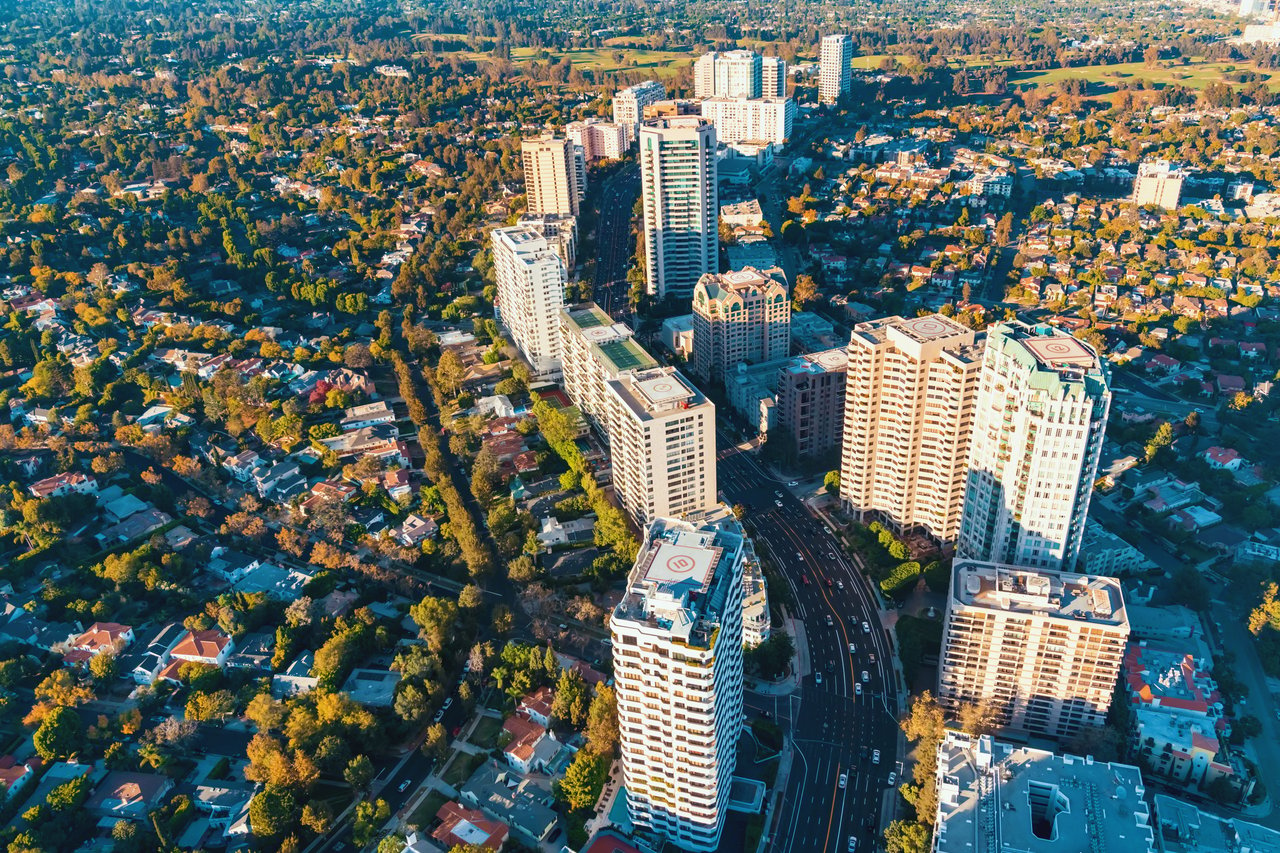
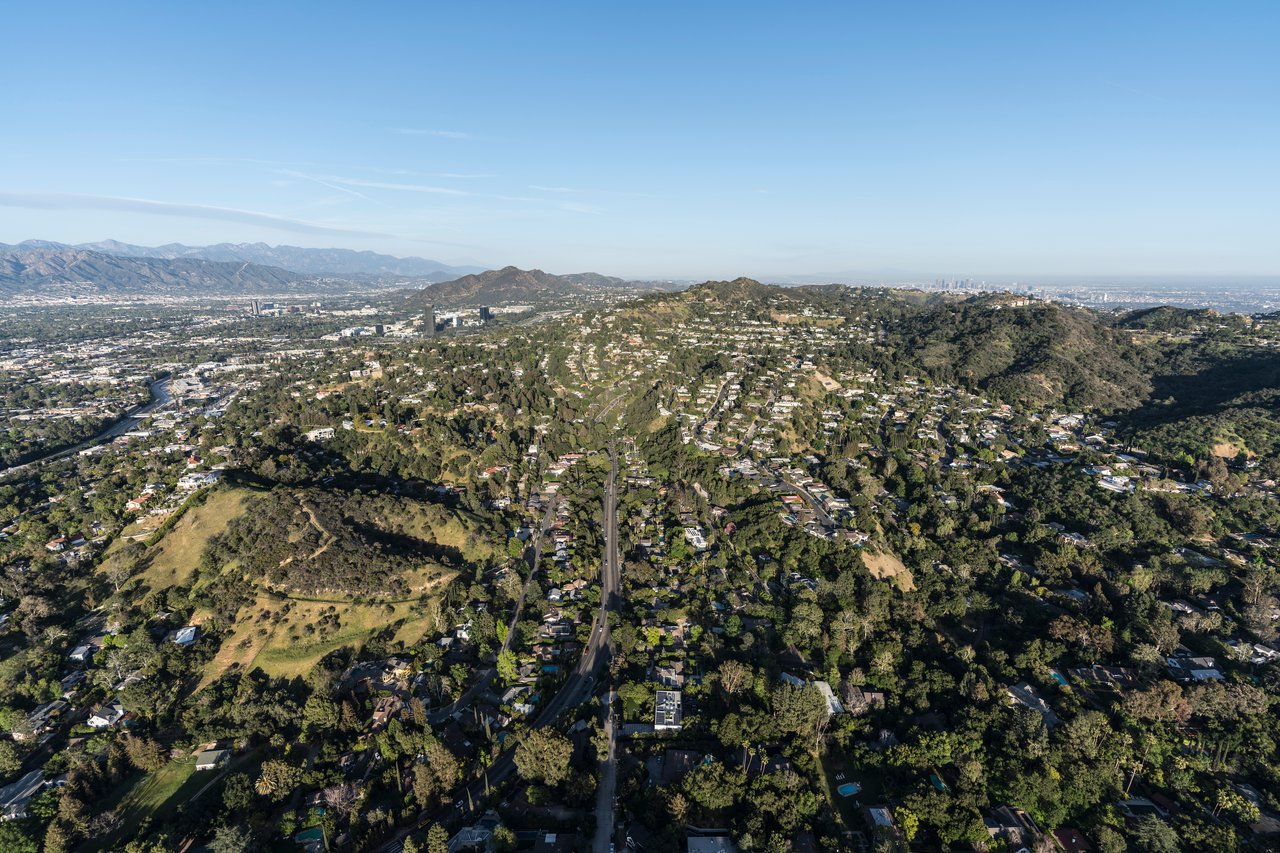
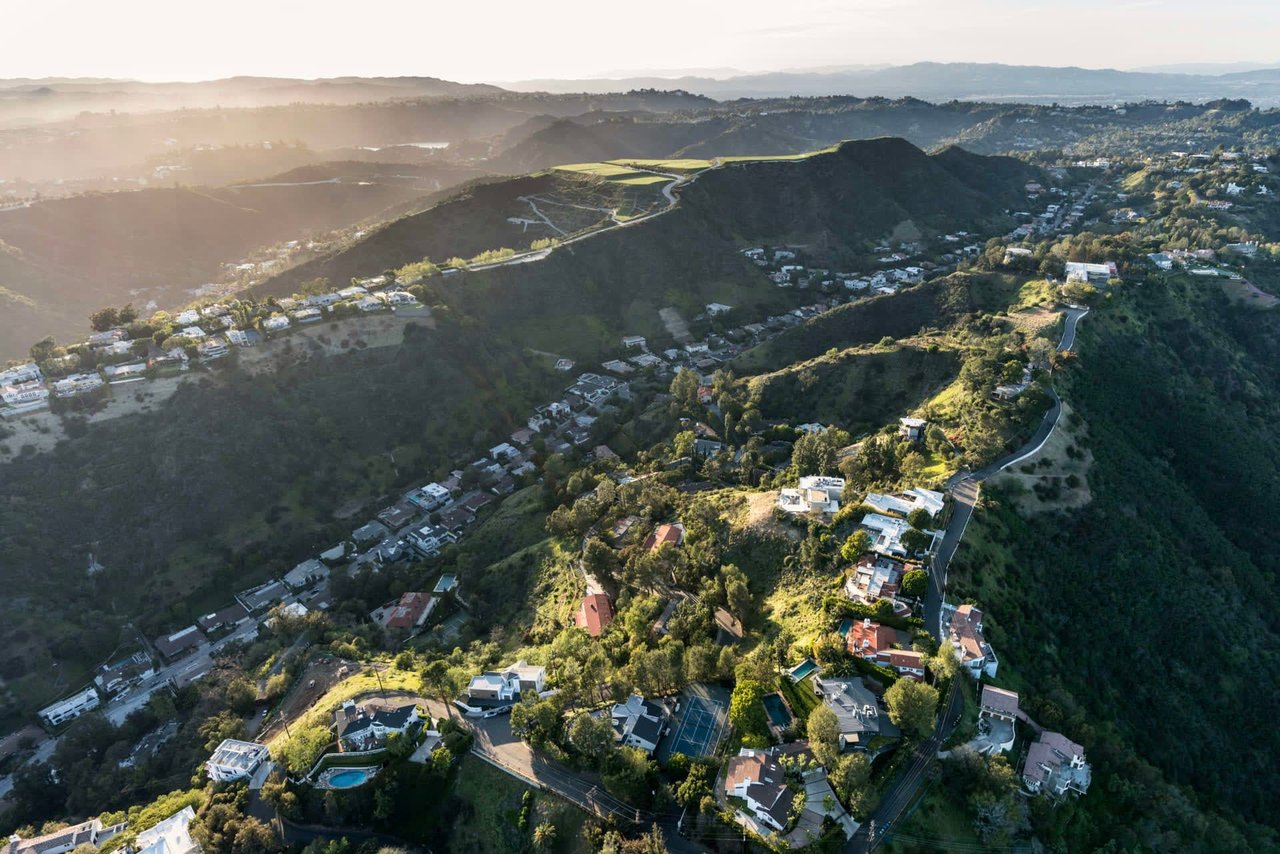
Bel Air occupies the hills and canyons of the Santa Monica Mountains between Beverly Hills to the south, Brentwood to the west, and the Sepulveda Pass to the north — a 5.7-square-mile community entirely within the city of Los Angeles but governed by its own gated character and its own set of unwritten rules about who belongs here and how they live.
Alphonzo Bell purchased 3,000 acres of ranchland in the early 1920s and developed Bel Air as a restricted residential community with controlled access, deed restrictions, and an aesthetic vision rooted in European grandeur. The original gates at Bellagio Road — rebuilt and refined over the decades — remain the symbolic entry point to the community's most prestigious addresses. Bell's vision attracted the Los Angeles establishment of the 1920s and 1930s, and the community has drawn the world's most prominent residents ever since.
Bel Air is not a single residential neighborhood but a collection of distinct micro-geographies that carry different price points, privacy levels, and architectural characters:
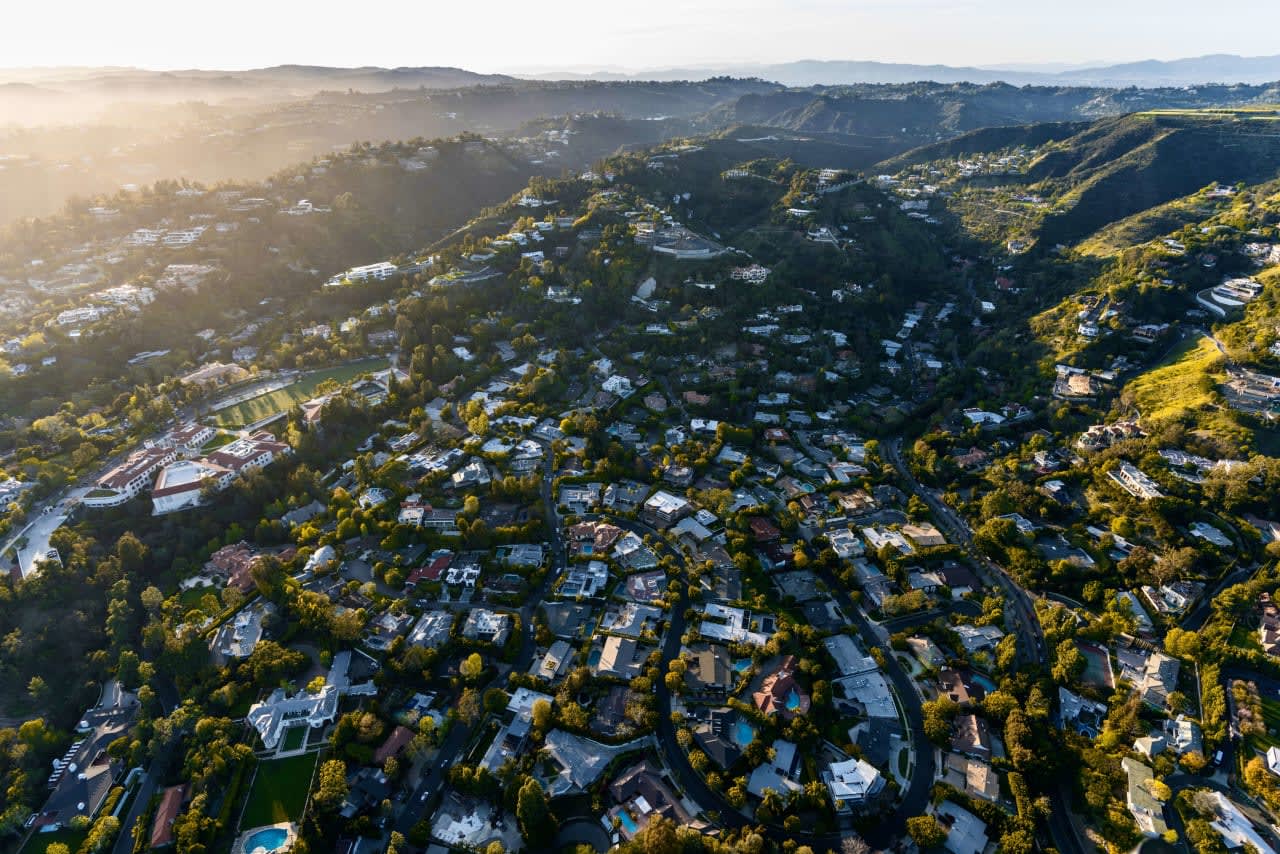
Welcome to Bel Air, an enclave of opulence and exclusivity nestled in the verdant hills of Los Angeles. Renowned for its lush landscapes, sprawling estates, and an air of tranquil privacy, Bel Air stands as a bastion of luxury living. Whether you are seeking a residence that epitomizes grandeur or a sanctuary minutes away from the city's pulse, Bel Air offers a unique blend of prestige and comfort. In this comprehensive guide, we will explore the exquisite lifestyle, from leisure activities to dining experiences, and delve into the dynamic real estate market that makes Bel Air a coveted destination for high-end homebuyers. For personalized guidance in securing your piece of paradise, consider partnering with the Hilton Hilton real estate team, who bring local expertise and unparalleled service to each prestigious client.
One of the most important chapters in any ultimate guide to Bel Air is the architectural one — because the community's homes are among the most architecturally diverse and historically significant residential properties anywhere in the world. Understanding the architectural landscape is essential for buyers navigating the market at this level.
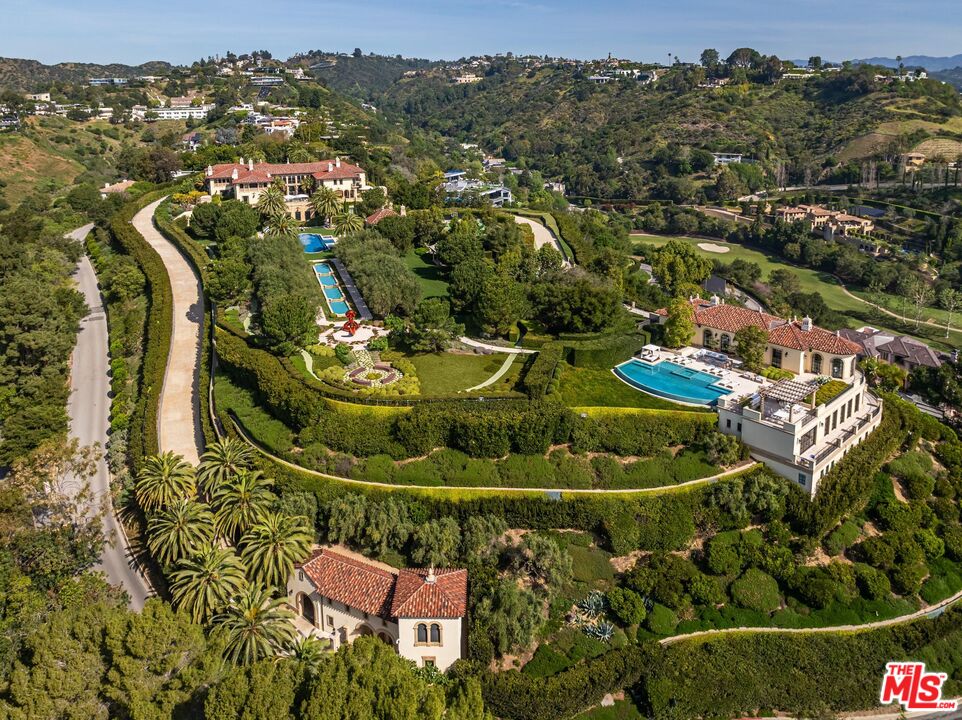
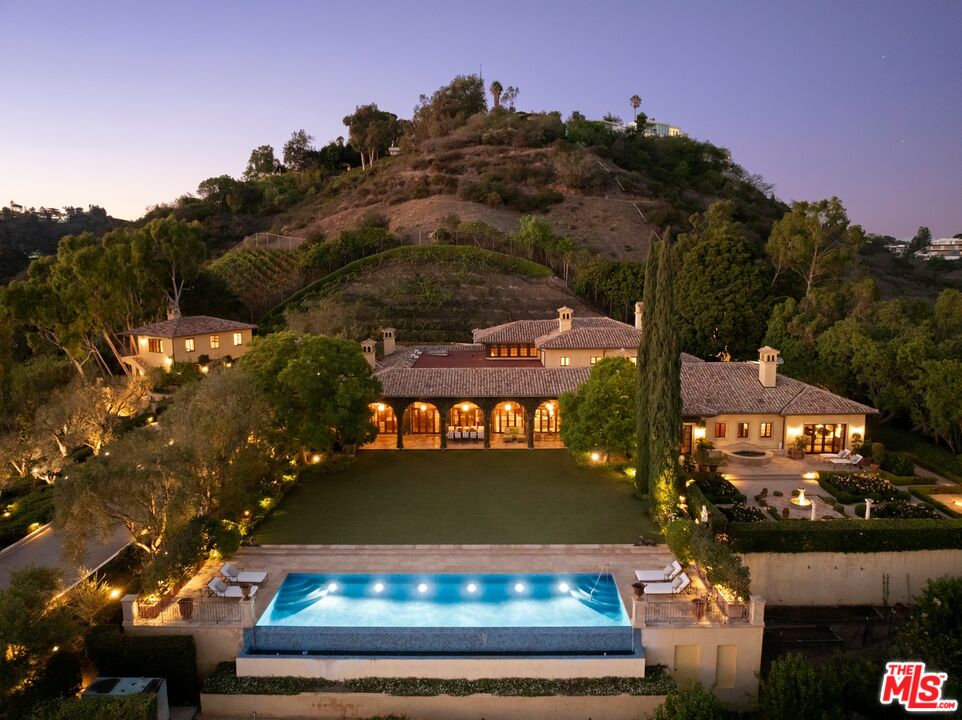
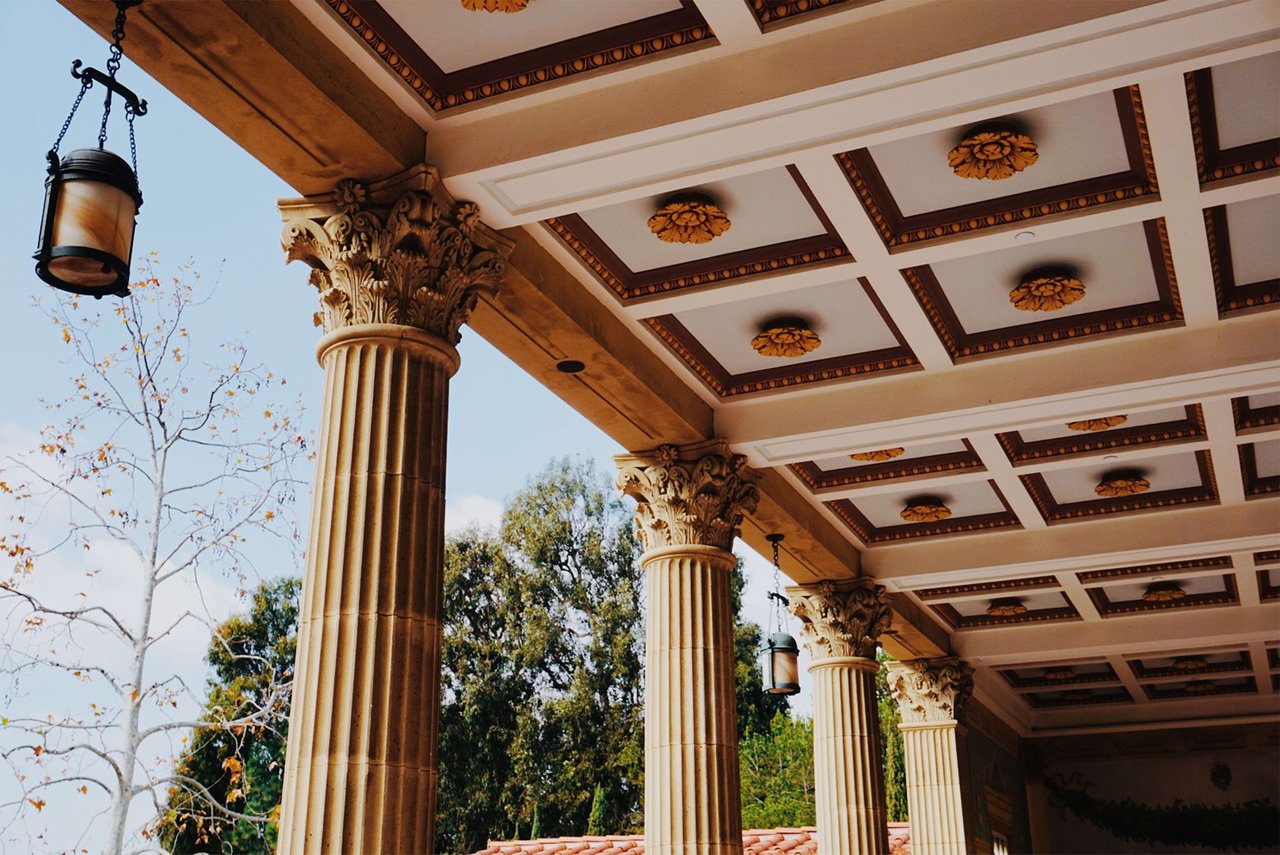
The original Bel Air estates of the 1920s and 1930s were built primarily in the Mediterranean and Spanish Colonial Revival styles that Alphonzo Bell envisioned — terracotta roof tiles, arched loggias, fountain courtyards, and formal garden arrangements inspired by Italian and Spanish villa architecture. These properties, when in their original or carefully restored condition, represent some of the most historically significant residential architecture in California and command a premium that reflects their irreplaceability.
The postwar period brought Bel Air its defining architectural tension: the collision of the traditional European estate aesthetic with the emerging California modernism of architects like Richard Neutra, Pierre Koenig, and John Lautner. Several of the community's most celebrated properties from this era — with their cantilevered profiles, floor-to-ceiling glass walls, and indoor-outdoor integration — are now classified as architectural landmarks. Mid-century modern homes in Bel Air are among the most sought-after properties in the Los Angeles luxury market.
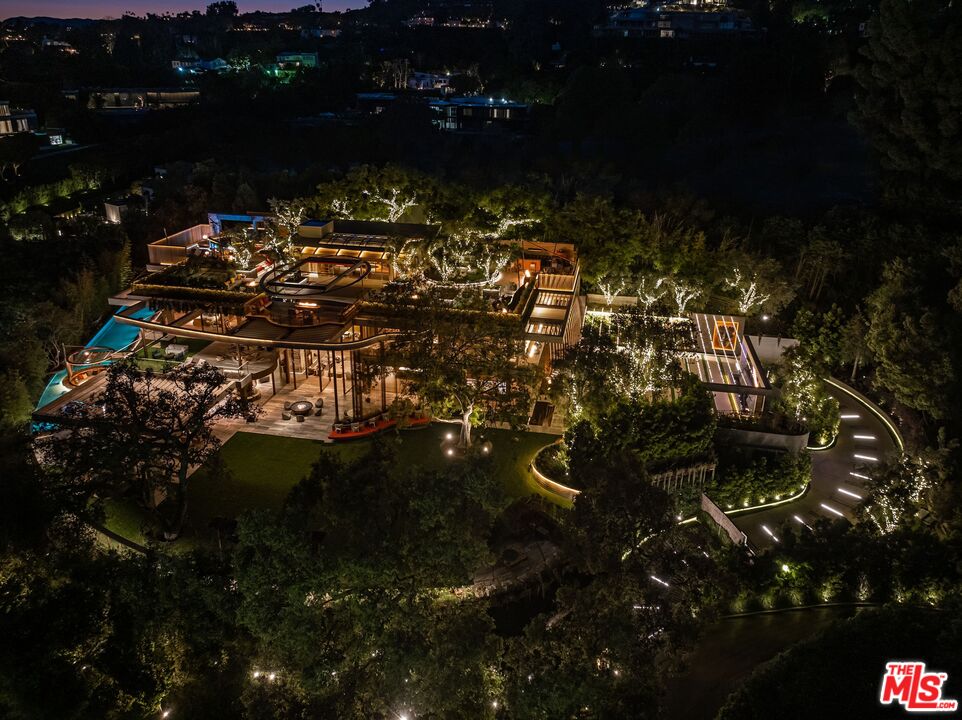
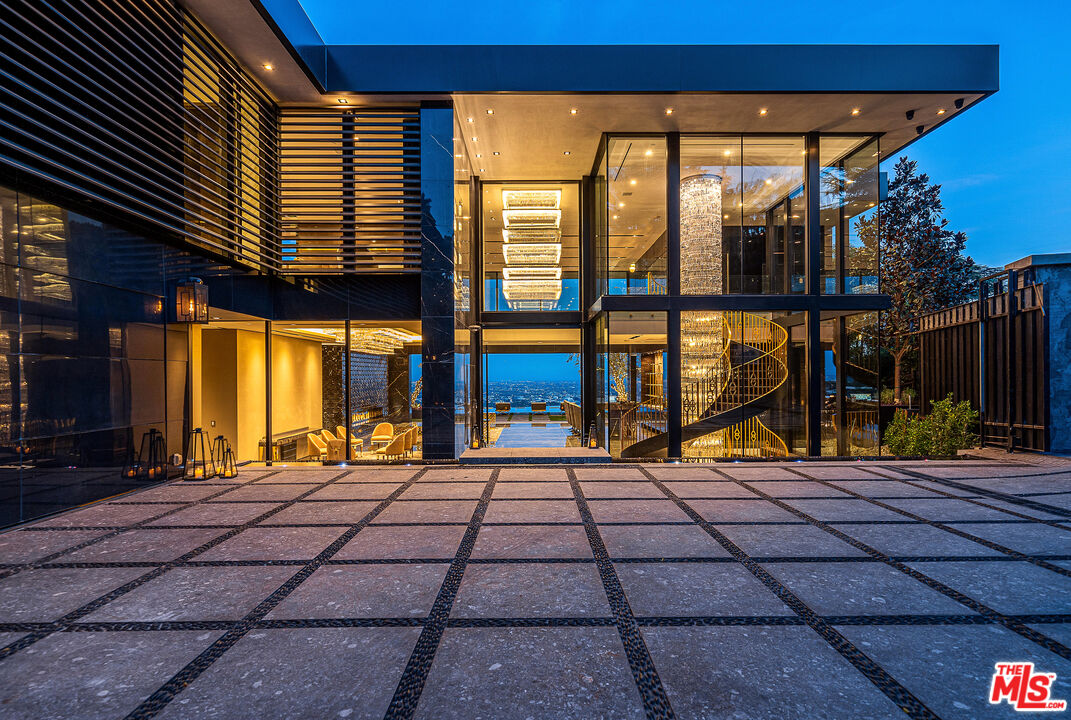
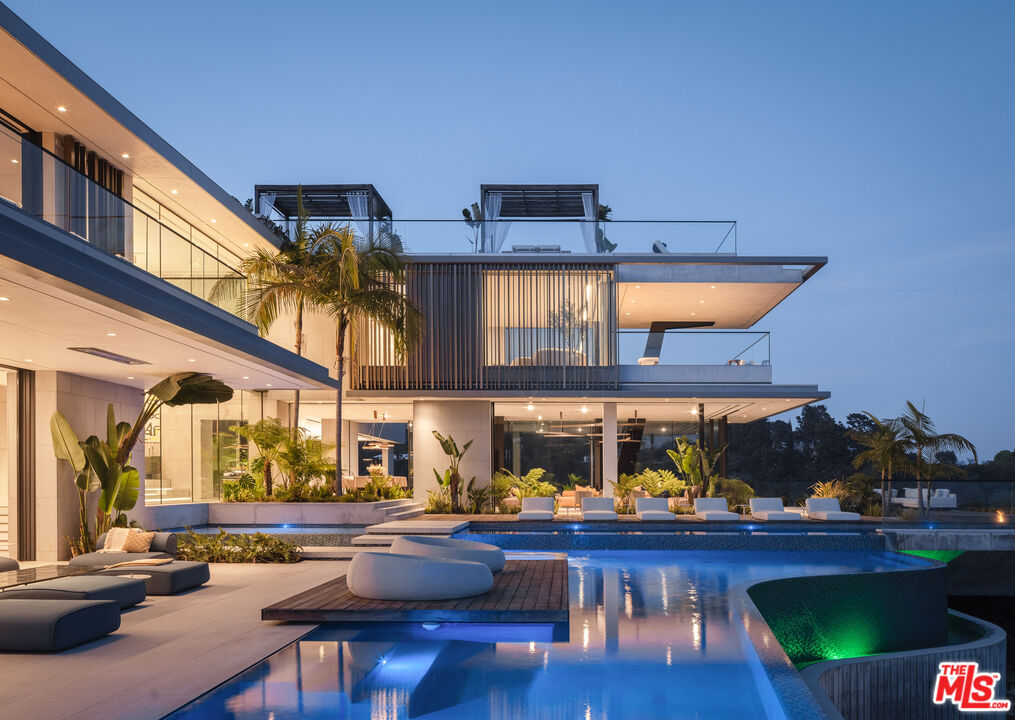
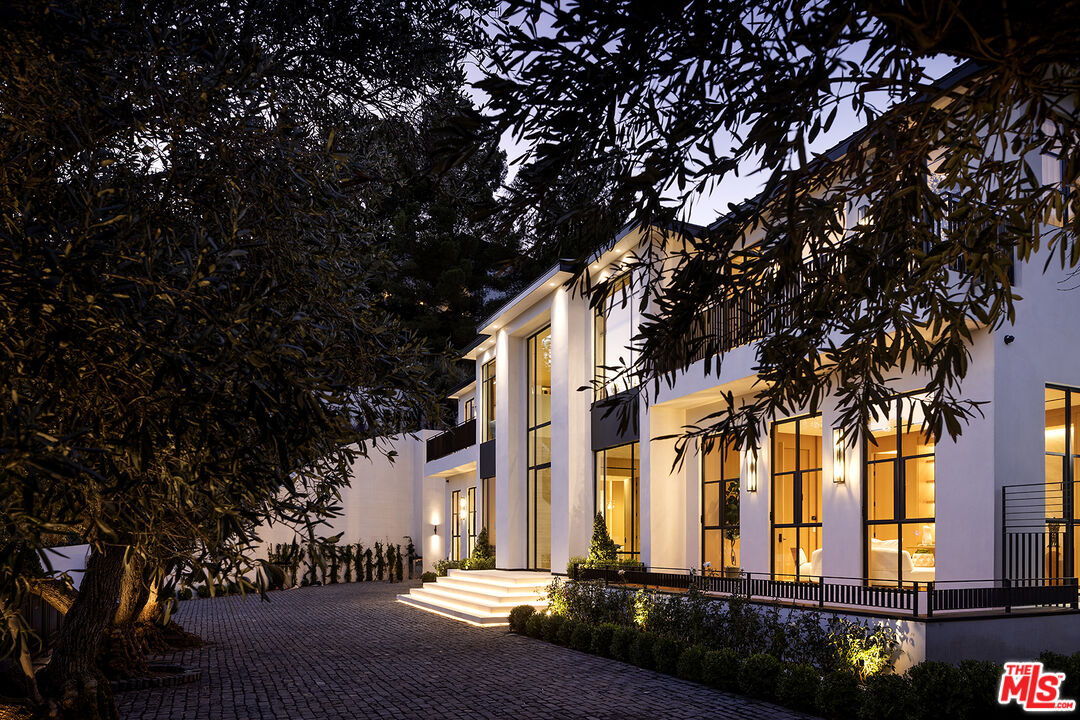
The 21st century has brought Bel Air its most dramatic architectural statement: the mega-estate. Properties like 'The One' — at one point listed at $500M — represent the extreme end of a market that has produced increasingly ambitious contemporary constructions with square footage ranging from 20,000 to 100,000+ square feet. These properties feature underground garages, private nightclubs, IMAX theaters, and amenities that blur the line between private residence and boutique resort. They are the homes that put Bel Air on international front pages and define the market's ceiling.
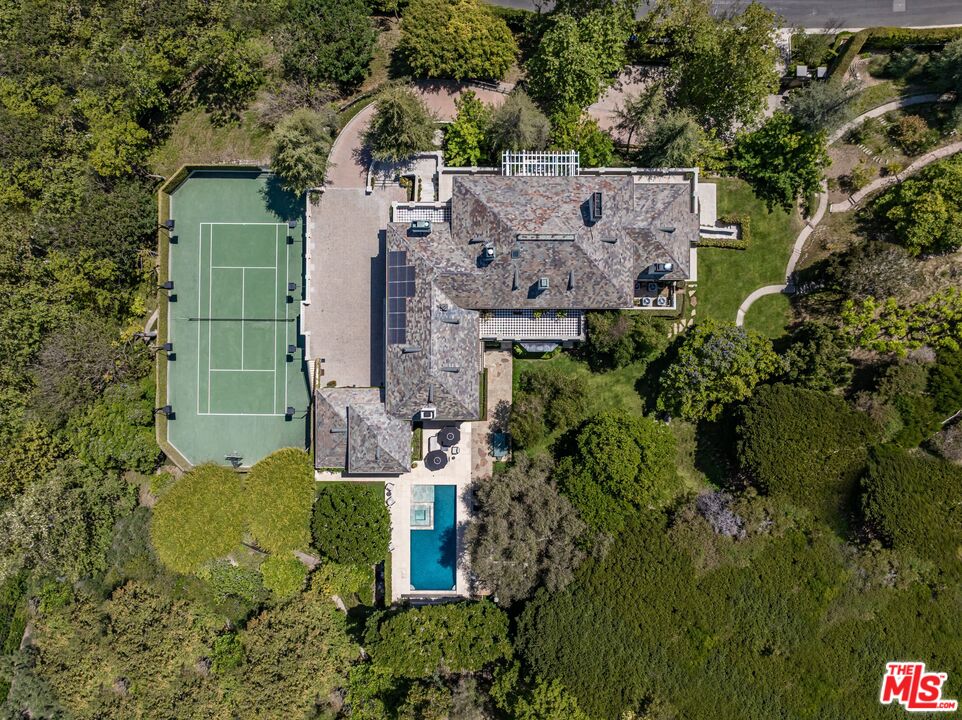
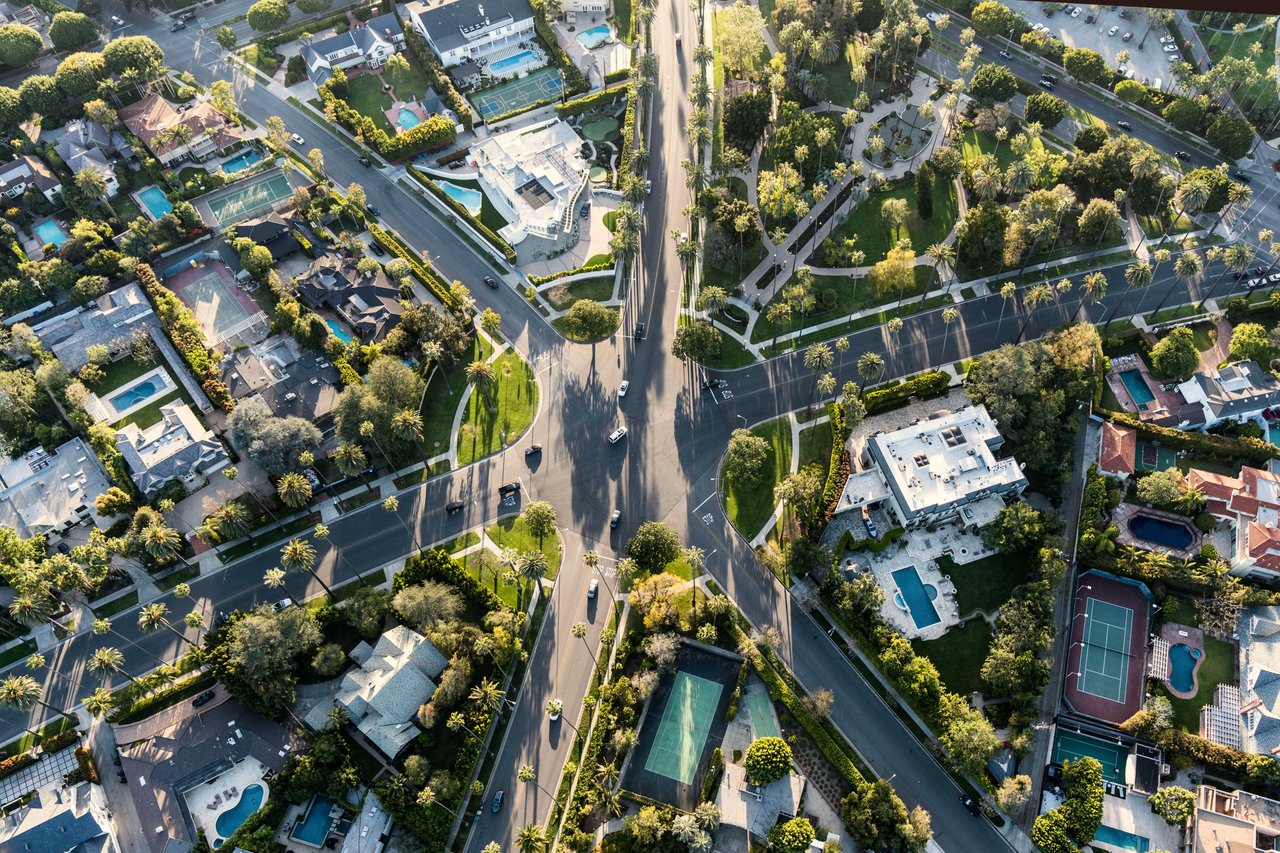
Perhaps as important as the architecture of Bel Air's homes are the grounds that surround them. The most significant properties feature landscape design by legendary firms, mature specimen trees that took decades to grow, private orchards and vineyards, championship tennis courts, infinity pools that appear to float above the Los Angeles basin, and in some cases private guest compounds and staff quarters that rival standalone luxury residences. In Bel Air, the grounds are as much a part of the property's value as the structure itself.
No ultimate guide to Bel Air is complete without a detailed, frank analysis of its real estate market — because Bel Air's market dynamics are unlike any other in Los Angeles, and understanding them is essential for making informed decisions at this price point.
The Bel Air real estate market operates in tiers that are distinct from the broader Los Angeles luxury market:
Several dynamics distinguish Bel Air's market from other LA luxury neighborhoods:
Explore currently available properties in our Bel Air real estate portfolio — or contact Hilton Hilton for a private consultation on off-market and coming-soon Bel Air estate opportunities.
No ultimate guide to Bel Air is honest without acknowledging the role that celebrity ownership has played in shaping the community's identity, its market dynamics, and its global recognition. Bel Air has been home to more entertainment industry legends, global business figures, and heads of state than perhaps any comparably sized residential community in the world.
The community's relationship with celebrity began in its earliest decades, when the film industry's founders and stars sought the privacy that Bel Air's gates and winding canyons provided. Studios moguls, golden age film stars, and the entertainment establishment of the mid-20th century established Bel Air as the address where Hollywood royalty lived — and that identity has only deepened in the decades since.
Ronald Reagan lived in Bel Air before and after his presidency. Elvis Presley rented a home on Perugia Way. The roster of entertainment, business, and political figures who have called Bel Air home reads like a composite of the 20th and 21st century's most consequential lives. This isn't merely historical trivia — it is context that explains why Bel Air real estate commands the premiums it does, why international buyers target specific streets and addresses, and why the community's position at the absolute apex of the Los Angeles residential hierarchy has remained unshaken for a century.
For buyers considering Bel Air, the celebrity connection is both a lifestyle reality and a market factor. Properties with documented celebrity provenance — particularly at the most significant address levels — carry a premium that Hilton Hilton's team is uniquely positioned to assess and navigate on a buyer's behalf.
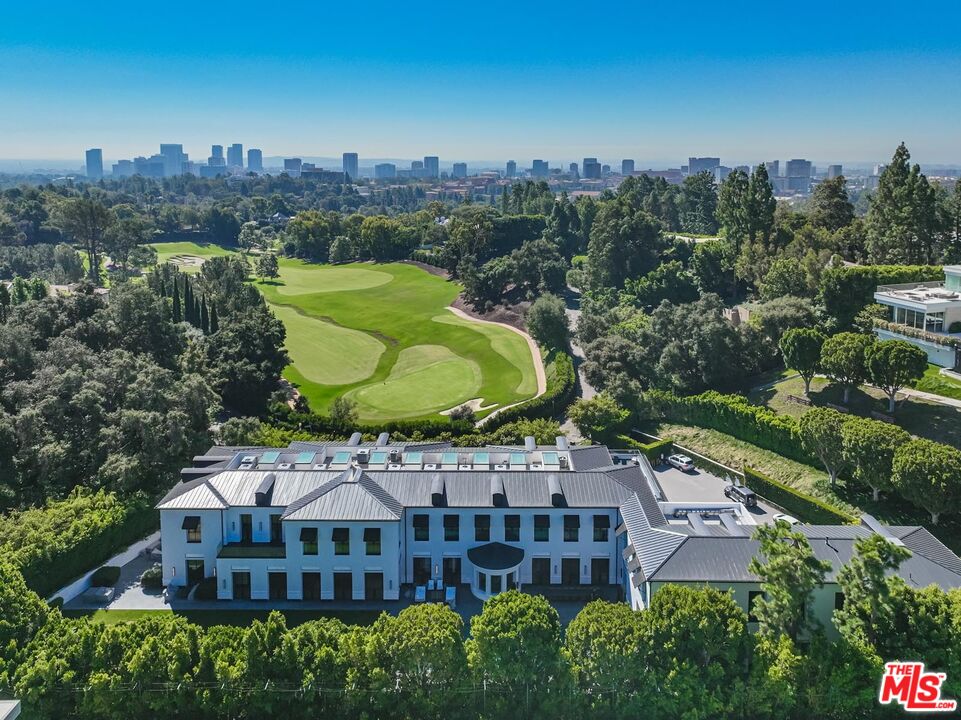
The Bel Air Country Club is one of the most exclusive private clubs in the United States — a membership-only institution whose waitlist alone signals the difficulty of access. Founded in 1926 on 120 acres of rolling terrain in the Santa Monica Mountains, the club features an 18-hole golf course that has hosted PGA Tour events, world-class tennis facilities, fine dining that rivals the area's best restaurants, and a social calendar that serves as the backbone of Bel Air's community life. Membership is by invitation only and represents one of the most coveted social credentials in Los Angeles. For buyers considering Bel Air, membership sponsorship through a Hilton Hilton relationship is something we can facilitate for the right client.
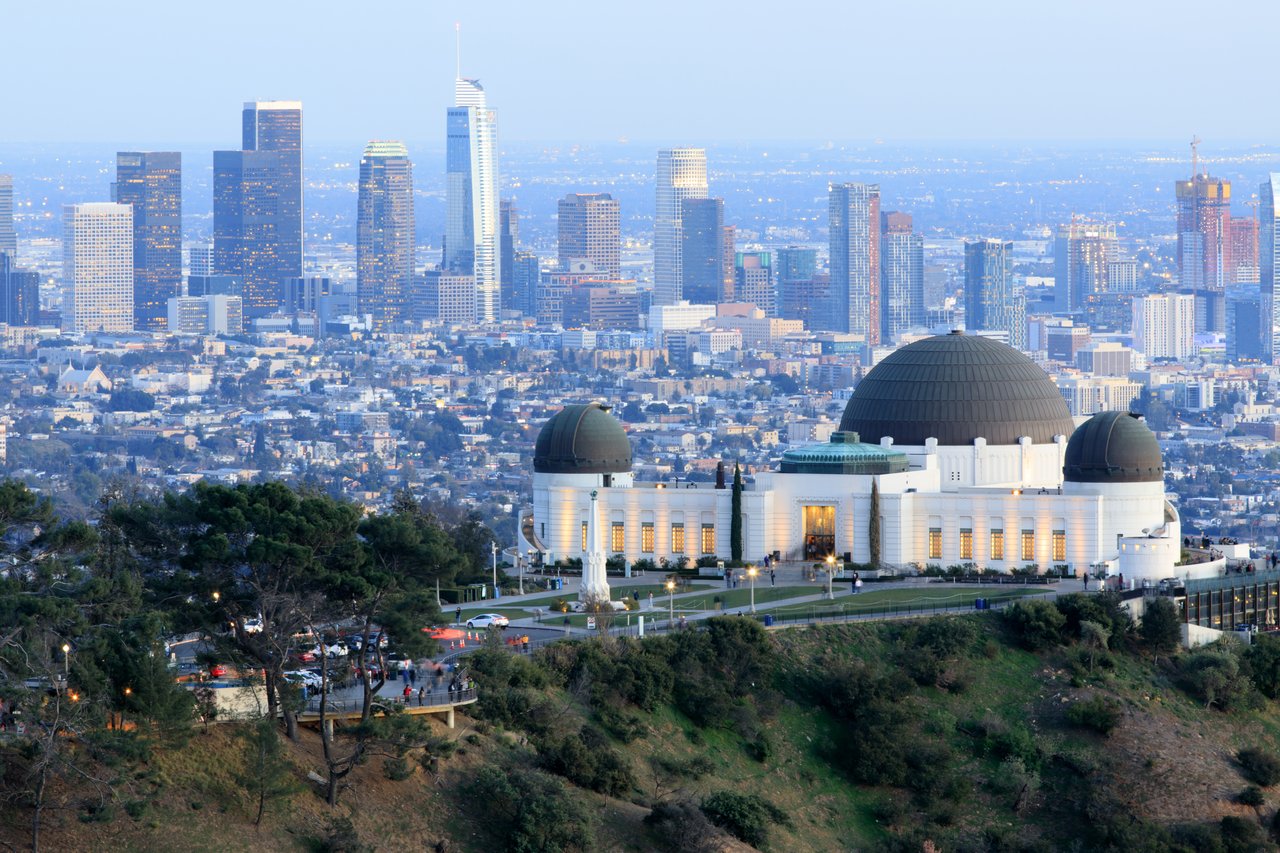
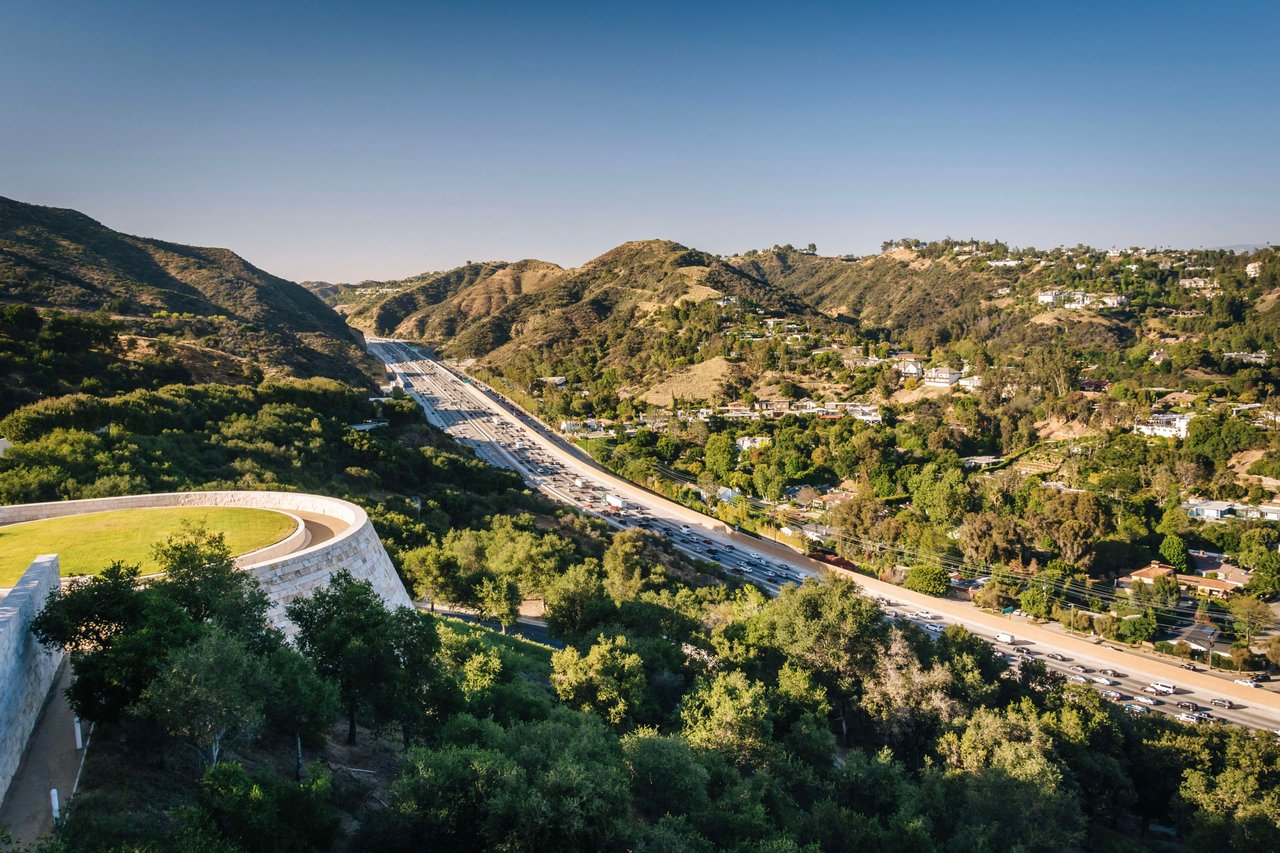
The Getty Center is one of the great public cultural institutions of the Western United States — and its position literally adjacent to Bel Air is a genuine amenity for residents that outsiders tend to underappreciate. Designed by architect Richard Meier and opened in 1997, the Getty campus houses one of the finest collections of pre-20th-century European painting, sculpture, illuminated manuscripts, drawings, and photographs in the world. The architecture itself — travertine pavilions set on a promontory with 360-degree views of the Los Angeles basin — is as significant as the collection. Admission is free, the tram ride from Sepulveda Boulevard is a pleasure, and the gardens are among the most beautifully designed outdoor spaces in Los Angeles. For Bel Air residents, it is a neighbor worth having.
Bel Air's position in the Santa Monica Mountains gives residents access to some of the most spectacular natural landscape in the Los Angeles basin — within minutes of home. Stone Canyon Reservoir provides a serene walking circuit with views that juxtapose the canyon's wilderness with the city's density below. Franklin Canyon Park offers more extensive trail networks. The Santa Monica Mountains Conservancy land that abuts many of Bel Air's northern properties is accessible via trailheads throughout the community, providing hiking, mountain biking, and equestrian opportunities that residents of denser LA neighborhoods can only access after a significant drive.
In Bel Air, the most significant leisure infrastructure is private. The greatest amenities most residents use are those within their own properties — tennis courts, pools that rival boutique hotel facilities, home theaters, wine cellars, and guest compounds that could accommodate small events. The community's culture is one of curated privacy: residents entertain at home, use private clubs rather than public venues, and maintain a lifestyle that is largely invisible to the outside world. This is by design — and it is one of the qualities that buyers pay the premium to access.
Bel Air's dining landscape is defined by two categories: the iconic establishments within the community itself, and the world-class restaurants of Beverly Hills, West Hollywood, and Brentwood that Bel Air residents access with ease. Together, they constitute a dining environment that is arguably unmatched in the United States.
The Hotel Bel-Air's restaurant — reimagined under Wolfgang Puck — remains the canonical Bel Air dining experience. Set within one of the most beautiful hotel properties in the country, with swans on a stone bridge and bougainvillea-draped walls that have been photographed for a century, the restaurant delivers California cuisine at its most refined: local ingredients, an obsessive wine program, and service calibrated to the expectations of a clientele that could be dining anywhere in the world. The bar and lounge — intimate, discreet, and impeccably staffed — is the preferred venue for private conversations among people who value not being seen.
Vibrato, Herb Alpert's jazz supper club on Mulholland Drive at the northern edge of Bel Air, occupies a singular niche in the Los Angeles dining landscape — combining genuinely excellent California cuisine with live jazz performance seven nights a week in a setting of sophisticated intimacy. It is a rare combination of culinary and musical quality that has made Vibrato a destination for Bel Air residents and visitors from across the city since its opening.
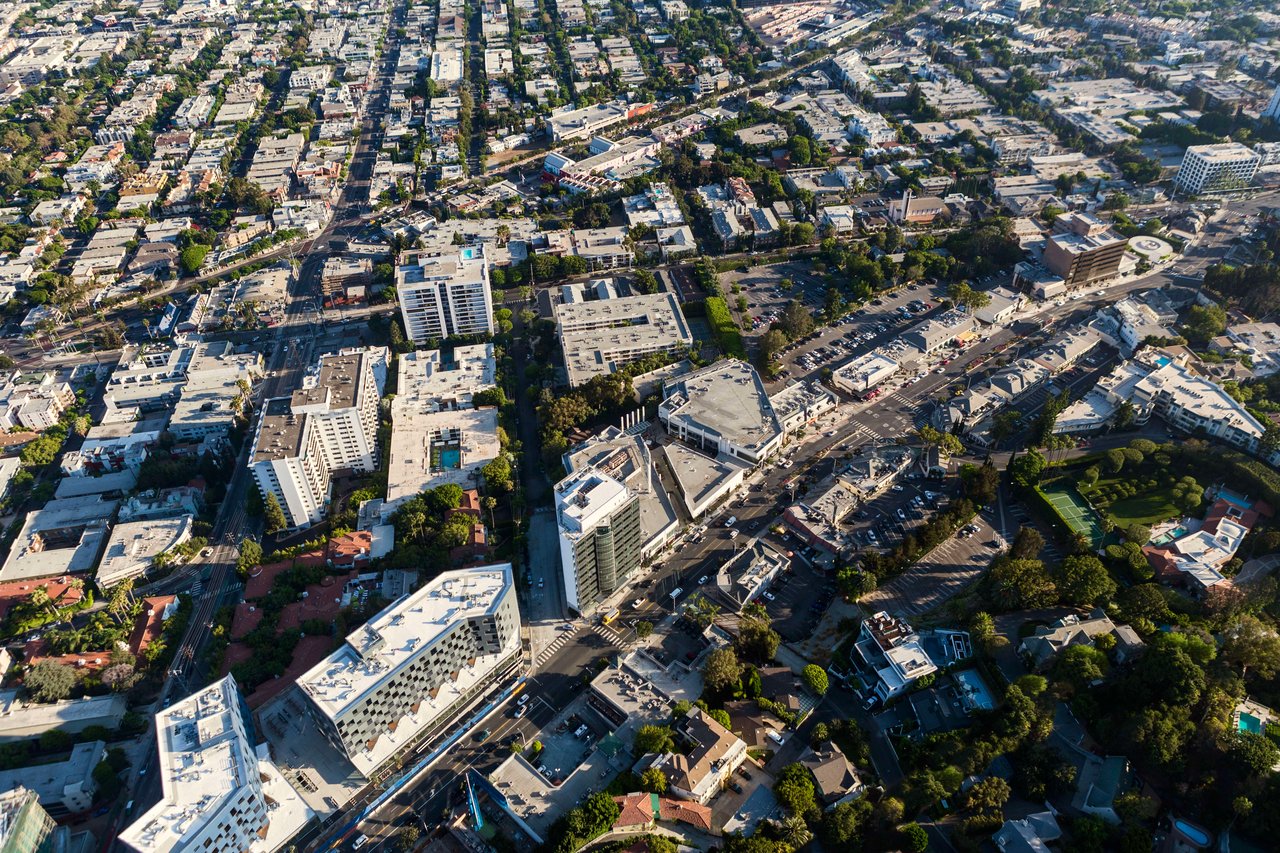
Bel Air's position at the center of the LA luxury residential corridor means that Beverly Hills' finest restaurants — Spago, Nobu, Mastro's, Toscana in Brentwood, and the full length of the Sunset Strip's world-class dining scene — are within a 10–20 minute drive of most Bel Air addresses. For a community without a traditional commercial main street of its own, this proximity to one of the world's most extraordinary restaurant landscapes is a genuine advantage. Residents tend to develop their own curated rotation of preferred establishments across the Westside, supplemented by the Hotel Bel-Air for occasions that demand the community's own setting.
For families evaluating Bel Air as a primary residence, understanding the educational landscape is a critical chapter in this ultimate guide. Bel Air's school options span some of the most prestigious public and private institutions in California.
Bel Air falls within the Los Angeles Unified School District (LAUSD). The Roscomare Road Elementary School serves much of Bel Air's K–6 population and has a strong reputation within LAUSD. For high school, most Bel Air families are zoned for University High School in West Los Angeles — one of LAUSD's better-regarded public high schools with a strong college preparatory program and competitive athletics.
The overwhelming majority of Bel Air families educate their children at private independent schools — and the concentration of elite private school options within a 15-minute radius of Bel Air is extraordinary:
The private school ecosystem in the Bel Air corridor is one of the most competitive and most expensive in the country — and navigating admission, particularly for transfers, is a process that Hilton Hilton can help facilitate through the community relationships we've built over years of serving Bel Air's resident families.
The ultimate guide to Bel Air owes its readers an honest accounting of what it actually costs to live here — not just the purchase price, but the full picture of ownership at this level.
California's Proposition 13 framework caps annual property tax increases at 2% for as long as a property is held. The practical effect in Bel Air is significant: longtime owners pay property taxes calculated on their original purchase price (often from decades ago), while new buyers pay taxes based on the current purchase price. At a $20M purchase, the initial annual property tax bill runs approximately $220,000–$250,000. This is a meaningful carrying cost that buyers from other states — particularly those accustomed to lower-tax regimes — should factor carefully.
At Bel Air's estate scale, household staffing is not optional — it is an operational necessity. Significant Bel Air properties typically require a full-time estate manager or house manager, a security team (particularly for gated properties without HOA-managed security), a grounds crew for the estate's landscape maintenance, a house cleaning team, and in many cases a personal chef and household assistants. Annual staffing costs for a fully operational Bel Air estate can run $500,000–$2M+ depending on property scale and the household's operational complexity.
Portions of Bel Air are covered by the Bel Air Association — a community organization that funds private security patrols, maintains the gates and entrance aesthetics, and advocates for the community's interests with city government. Annual HOA or association fees vary by specific address and range from modest assessments in less organized sections to more substantial fees in communities with dedicated security infrastructure.
For a $30M Bel Air estate, buyers should budget approximately $350,000–$400,000 annually in property taxes, $500,000–$1M in staffing and operations, and $100,000–$300,000 in maintenance and capital reserve for the property's grounds, systems, and structure. The total annual cost of ownership — exclusive of financing — for a significant Bel Air estate is frequently in the $1M–$2M range. Hilton Hilton provides prospective buyers with detailed ownership cost projections as part of our advisory process.
The ultimate guide to Bel Air is incomplete without addressing the comparison that serious buyers invariably make: how does Bel Air compare to its immediate luxury neighbors? The answer is nuanced and depends significantly on what a buyer values most.
Beverly Hills offers prestige, walkability to Rodeo Drive and the commercial corridors of the 90210, and a different kind of urban density — you are in a city within a city. Bel Air offers the canyon privacy and estate scale that Beverly Hills's flatlands cannot. Bel Air buyers typically want to be above the city, not in it. Beverly Hills buyers want the municipal sophistication — the excellent BHUSD school district, the city services, and the commercial access — that Bel Air's residential-only character doesn't provide.
Holmby Hills — the third point of LA's Platinum Triangle alongside Beverly Hills and Bel Air — is the quietest, most secluded, and most understated of the three. It has no gates, no commercial presence, and a residential character that is almost severe in its privacy. Holmby Hills buyers are often further along in life and career, buying a final estate rather than a statement. Bel Air attracts a slightly broader buyer profile — from entertainment industry newcomers to international ultra-high-net-worth buyers — across a wider price range.
Brentwood occupies a different tier — a highly desirable, sophisticated community with strong schools, walkable retail on San Vicente Boulevard, and a genuinely excellent quality of life at price points meaningfully below the Bel Air ceiling. Brentwood attracts buyers who want a premier LA address with more conventional suburban functionality. Bel Air is the choice when privacy, scale, and the prestige of the 90077 ZIP code are the non-negotiables.
Hilton Hilton works extensively across all of these communities and offers candid, personalized guidance on which neighborhood best matches a buyer's priorities, timeline, and long-term objectives.
Bel Air is known internationally as one of the world's most exclusive and prestigious residential communities — a gated enclave in the Santa Monica Mountains above Los Angeles defined by spectacular estate properties, extraordinary celebrity and billionaire residents, and a standard of privacy and luxury that has been maintained since its founding in 1923. It is home to some of the most expensive residential real estate ever sold in the United States.
Bel Air home prices range from approximately $4M for an entry-level estate in the East Gate area to $100M+ for the community's most significant properties. The median sale price for Bel Air homes has historically sat between $8M and $15M, though trophy and mega-estate transactions regularly exceed $40M–$100M. A significant portion of the most important transactions occur off-market and are never publicly recorded.
Bel Air is one of the safest residential communities in Los Angeles, benefiting from private security patrols funded by the Bel Air Association, gated entry points that control access to the community's primary roads, and a low-density residential character that inherently limits public foot traffic. The community's safety is a function of both its security infrastructure and its inaccessibility — features that are inseparable from the privacy that its residents pay to maintain.
Bel Air's primary ZIP code is 90077 — one of the most recognized ZIP codes in the world for its association with ultra-luxury residential real estate, celebrity ownership, and the California lifestyle at its most elevated. Some properties on the periphery of Bel Air may carry 90049 (Brentwood) or 90024 (Westwood) ZIP codes depending on their precise location.
Bel Air is a residential community, not a public attraction — its gates and private roads are designed to limit access. The Hotel Bel-Air is open to the public for dining and hotel stays and provides a genuine experience of the community's aesthetic and atmosphere. The Getty Center, located on the community's border, is fully open to the public and provides some of the best views of Bel Air's hillside landscape. Beyond these access points, the community's residential character means visitors are generally limited to hotel and restaurant guests.
Bel Air's resident history spans nearly a century of entertainment, business, and political prominence. Ronald Reagan lived in Bel Air before and during his post-presidential years. Elvis Presley rented on Perugia Way during key periods of his career. The community's current and historical resident roster includes entertainment industry legends, tech billionaires, international financiers, and royalty from multiple nations. Discretion about current residents is a core value of the community — and of any agent who works here seriously.
Buying a home in Bel Air requires working with agents who have genuine access to the market's off-market inventory, established relationships with the principals and estate managers who control significant properties, and the experience to navigate transactions where discretion, speed, and insider knowledge determine outcomes. Hilton Hilton specializes in exactly this — providing qualified buyers with access to Bel Air properties that never appear on the public MLS, and managing every aspect of the acquisition process with the precision and confidentiality that this market demands.
This ultimate guide to Bel Air is brought to you by Hilton Hilton — a luxury real estate brand built on the principle that extraordinary properties deserve extraordinary representation. Operating from our Beverly Hills office at 345 N. Maple Drive, we serve the Bel Air, Beverly Hills, Holmby Hills, and greater Los Angeles luxury market with a team of agents whose collective expertise in ultra-high-end residential transactions is unmatched in the region.
In a market where the most important transactions happen before they're listed, and where the difference between finding the right property and missing it is a phone call made at the right moment to the right person, the value of working with Hilton Hilton is measured in access. We maintain relationships with estate principals, family offices, attorneys, and intermediaries throughout Bel Air — relationships that translate into opportunities for our clients that never appear on any public platform.
Whether you are acquiring your first Bel Air estate, expanding a trophy property portfolio, or discretely positioning a property for sale, Hilton Hilton brings the market intelligence, the network depth, and the standard of service that this community demands. Contact us for a private consultation — and let this ultimate guide to Bel Air be the beginning of your next chapter.
7,248 people live in Bel Air, where the median age is 47 and the average individual income is $151,736. Data provided by the U.S. Census Bureau.
Total Population
Median Age
Population Density Population Density This is the number of people per square mile in a neighborhood.
Average individual Income
Bel Air has 2,870 households, with an average household size of 2. Data provided by the U.S. Census Bureau. Here’s what the people living in Bel Air do for work — and how long it takes them to get there. Data provided by the U.S. Census Bureau. 7,248 people call Bel Air home. The population density is 1,323 and the largest age group is Data provided by the U.S. Census Bureau.
Total Population
Population Density Population Density This is the number of people per square mile in a neighborhood.
Median Age
Men vs Women
Population by Age Group
0-9 Years
10-17 Years
18-24 Years
25-64 Years
65-74 Years
75+ Years
Education Level
Total Households
Average Household Size
Average individual Income
Households with Children
With Children:
Without Children:
Marital Status
Blue vs White Collar Workers
Blue Collar:
White Collar:
There's plenty to do around Bel Air, including shopping, dining, nightlife, parks, and more. Data provided by Walk Score and Yelp.
Explore popular things to do in the area, including Getty View Trailhead.
At Hilton Hilton, we are redefining the luxury real estate experience by harnessing extraordinary talent from diverse industries. Our brand's creative visionaries go beyond traditional boundaries, united by a shared passion for setting new standards in the luxury market.
We are not just inviting a select group of agents to join our exclusive brokerage; we are offering a unique opportunity to elevate the real estate standard, challenge the status quo, and shape the future of luxury living. With us, luxury transcends being a mere destination—it becomes a way of life where tradition and innovation seamlessly coexist.
Join us on this journey where the extraordinary is not an exception but the norm. Experience a new era of luxury real estate, where every detail is crafted to perfection, and every experience is tailored to exceed expectations.